 English
 РУССКИЙ
 DEUTSCH
 简体中文
简体中文 Spanish
Baros botanical: a natural island, where you can nurture your soul
29 April 2025 |
As one of the most beautiful natural islands in the Maldives, Baros is teeming with lush vegetation, stunning flowers and abundant wildlife. Whether it’s the giant fruit bats swooping between the swaying palm trees as you enjoy a post-swim shower in your outdoor bathroom or the kaleidoscope of fish floating about on the house reef, a stay at Baros really does feel like you’re in a natural paradise.
Here we take a deep dive into how Baros came to be, why the flora and fauna of our beautiful island home enhances your holiday experience and we share the latest research on why being in nature is so good for the soul.

Baros Maldives: how it all began
Unlike man-made resorts, Baros emerged organically from the Maldivian archipelago, a jewel sculpted by time and the gentle forces of nature. For years, it was little more than a sandbank, owned by the Maniku family (founders of parent company Universal Resorts) and used for growing coconuts and harvesting firewood.
In the early 1970s, westerners knew precious little about these stunning, isolated islands. The Maldives was the smallest dot on a map of the world, populated by fisherfolk eking out a living from the islands’ few resources: fish and coconuts. There were no paved roads, few motor vehicles, no international telephones or television, no regular flights nor established airport and no swift contact with the outside world except by Morse code via the Embassy of the Maldives in Colombo.
It was in this milieu, in 1973, that one small island set out to create a new concept of tourism in the Maldives – sustainable, unpretentious luxury for discerning, vacationing “castaways”. Right from the start, our aim at Baros was to share the spellbinding beauty of this magical place with the world, stripping away formality and creating an authentic island experience.
While much has certainly changed since then, some of the important things have stayed the same; Baros remains a place of astonishing natural beauty and is as magical as ever. It’s what people fall in love with and come back for time and again.
Experiencing the flora and fauna of Baros
Baros holds a profound legacy of nurturing and sustaining its thriving vegetation, with towering coconut palms that bear witness to its past as a coconut plantation. Over the years, we have curated a remarkable collection of plants, handpicking indigenous and rare plant species as well as popular garden favourites.
Green-fingered guests can now learn even more about the indigenous and rare plant species on the island with our immersive experience Baros: A Botanical Garden, gaining a deeper appreciation and understanding of the local ecosystem. This aligns with our commitment to Maldives sustainable travel.
Wandering the sandy paths around the island, you can scan QR codes placed alongside the trees and flowers that paint Baros in shades of sun-dappled greens and discover fascinating insights about these plants, their medicinal properties and their cultural significance.
You’ll discover how our botanical treasures bear evocative and enchanting names, including the Hairy Mahogany, Flame Tree, Yellow Flamboyant Tree, Lead Tree, African Tulip Tree, Sea Almond, Christmas Palm, Spanish Cherry, Red Bead Tree, Weeping Fig and many more.
From elegant epiphytes like the Natal Fig, to resilient terrestrial trees like the Beach Cordia, each tree gracing the island has a story to tell. Many of these plants have also been traditionally used to treat various ailments, ranging from headaches and influenza to whooping cough and chronic illnesses, adding another layer of significance to the botanical garden.
For those who want to go even deeper, one of our knowledgeable Baros team members offers a guided tour of the island. This interactive experience allows you to touch and smell the diverse plants, deepening your appreciation for the Maldives’ rich natural environment beyond its renowned underwater world – a realm we are equally dedicated to protecting, including our stunning coral reefs, reinforcing our status as one of the leading eco-friendly Maldives resorts.
Finally, discover the fresh ingredients that enhance your dining experience at Baros by exploring our Chef’s Garden: [INSERT LINK ONCE CHEF’S GARDEN BLOG IS LIVE]. This connection from the land to your plate underscores our commitment to sustainable tourism.
Why being in nature is a balm for the mind and soul
The benefits of spending time in nature are increasingly well documented by scientific research. Studies have shown that exposure to natural environments can significantly improve mental health and overall wellbeing.
If you’re looking for a refuge, a place to escape the demands of the everyday, a natural haven teeming with wildlife, then Baros offers an unparalleled retreat for a luxury island holiday. Here’s how being in nature nurtures your soul.
Stress reduction
Being in nature lowers stress hormones like cortisol, reduces blood pressure and heart rate, and decreases nervous system arousal. The peaceful environment of a natural island like Baros is an immediate escape from the stresses of daily life.
Improved mood and reduced anxiety
Studies have found that spending time in green spaces is associated with decreased anxiety, rumination and negative affect, while also preserving positive emotions. Let the lush greenery and serene beaches of Baros envelop you in a sense of tranquillity.
Enhanced cognitive function
Nature has been shown to improve attention span, creativity, and problem-solving abilities. The natural beauty of Baros is the perfect way to press pause on your busy brain, allowing the mind to wander and rejuvenate.
Increased feelings of happiness and wellbeing
People with a stronger connection to nature tend to report greater happiness and a higher sense of life satisfaction. Immersing oneself in the natural beauty of Baros means you can’t help but feel a sense of peace and connection.
The irreplaceable value of natural islands in the Maldives
Natural islands like Baros boast ecosystems that have evolved over millennia. They are intricate webs of life. This biodiversity is crucial for the health of the planet and offers a richness that man-made environments simply can’t replicate.
Here’s why natural islands matter:
- Biodiversity that evolved over centuries – home to indigenous flora and fauna in delicate balance.
- Authentic natural features – from untouched soil and organically formed coastlines to thriving coral reefs.
- Vital environmental role – preserving habitats, regulating natural currents and supporting marine life.
- Botanical richness – at Baros, we’ve carefully maintained a splendid haven of native Maldivian and rare plant species.
In contrast, artificial islands, while sometimes impressive feats of engineering, often come at a significant environmental cost. Dredging and construction can damage or destroy existing marine habitats like coral reefs and seagrass beds, disrupt natural currents and increase pollution.
Today, we’re proud of our efforts in maintaining our island as a splendid botanical haven, featuring a diverse array of plant species native to the Maldives and those found in rare corners of the world.
Ready to unwind in a natural paradise and experience one of the world’s ultimate luxury island holidays? Contact us at reservations@baros.com or call +960 664 2672 to plan your ultimate castaway island escape.
All Blogs
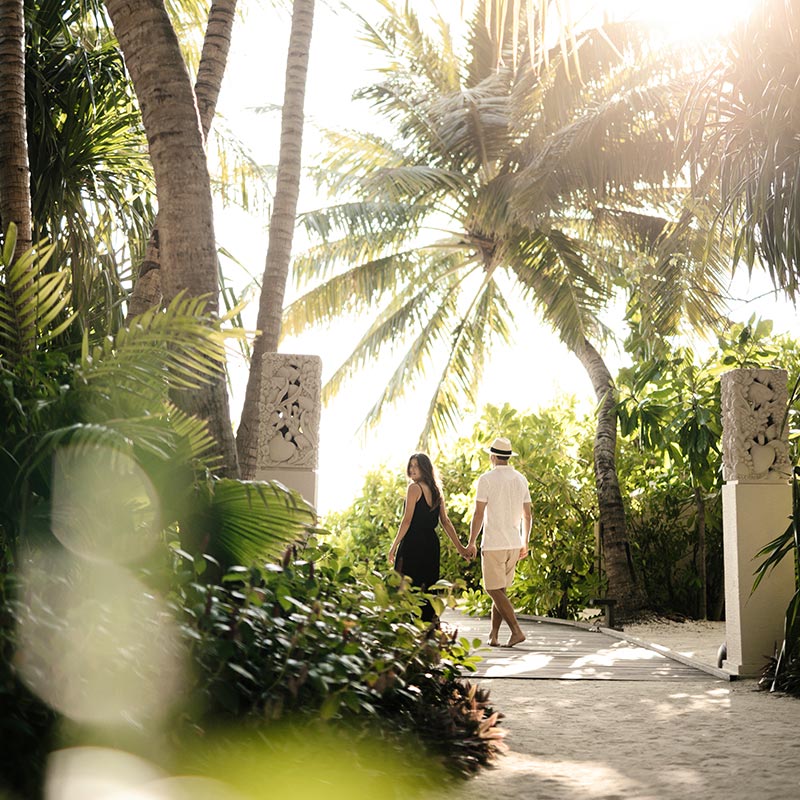
Why adult travel hits differently at Baros Maldives
Discover why empty-nest, anniversary and retirement travellers choose Baros for a meaningful grown-up island escape.
read more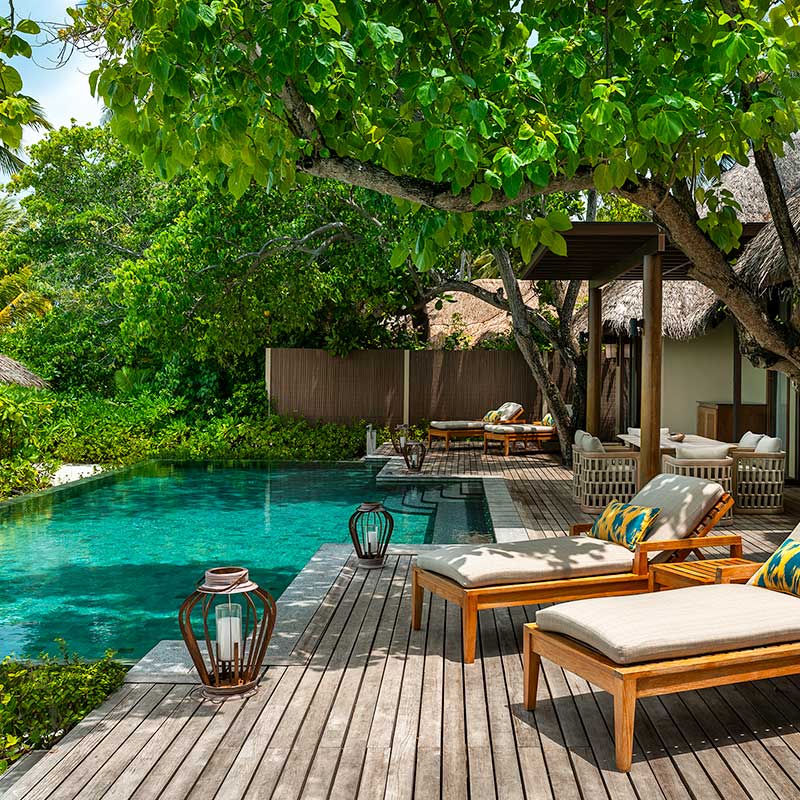
Baros Maldives named No. 2 Resort in the World and No. 1 in Asia by Travel + Leisure readers
Baros Maldives has been ranked No. 2 Resort in the World and No. 1 Resort in Asia in the Travel + Leisure World’s Best Awards 2026
read more
Where every meal is made to be remembered: Baros Maldives dining
Food has always been one of the most honest ways to know a place. But in 2026, it has also become one of the most powerful reasons to choose one.
read more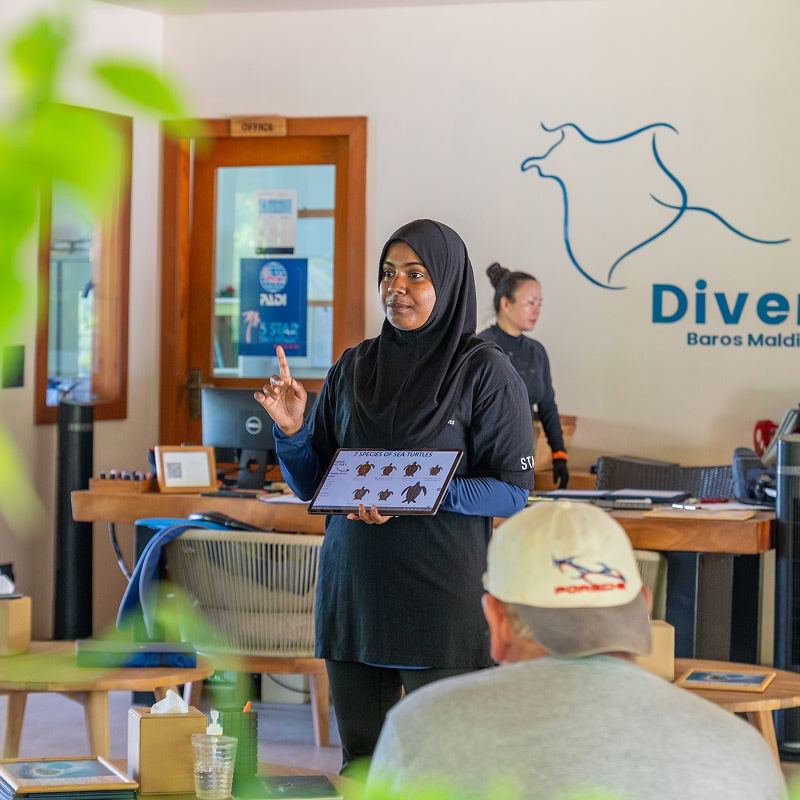
How Baros cares for its island and reef
Not long ago, Baros was an uninhabited wilderness of coconut palms and tropical undergrowth.
read more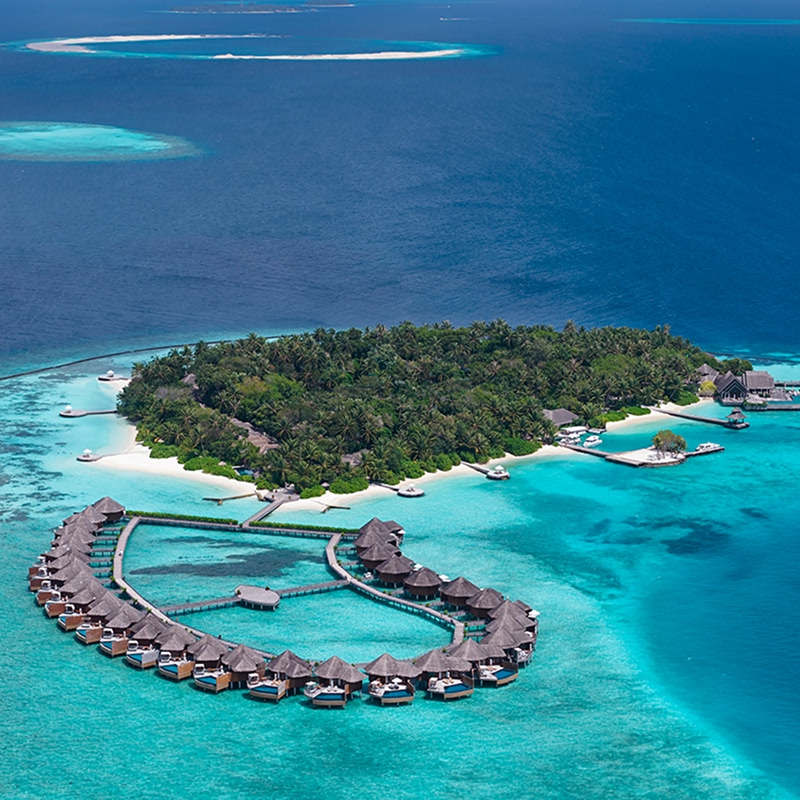
Is Baros Maldives worth it?
In an archipelago that welcomes a constant stream of new openings, the choice of where to spend your time has become a question of trust.
read more
The blue heart of Baros
Imagine yourself suspended in a world of liquid sapphire, the tropical sun warming your back as gentle waves ripple over you.
read more