 English
 РУССКИЙ
 DEUTSCH
 简体中文
简体中文 Spanish
How Baros cares for its island and reef
11 June 2026 |
Not long ago, Baros was an uninhabited wilderness of coconut palms and tropical undergrowth. There were no villas or restaurants, just the island, the lagoon and the extraordinary marine world beyond. That natural wildness hasn’t been forgotten. For more than 50 years, we have worked quietly and deliberately to honour it. Being an eco-friendly resort in the Maldives isn’t a marketing position for us: it is simply how we operate. This island is our home, and we take care of it accordingly.
This is what environmental stewardship looks like in practice.
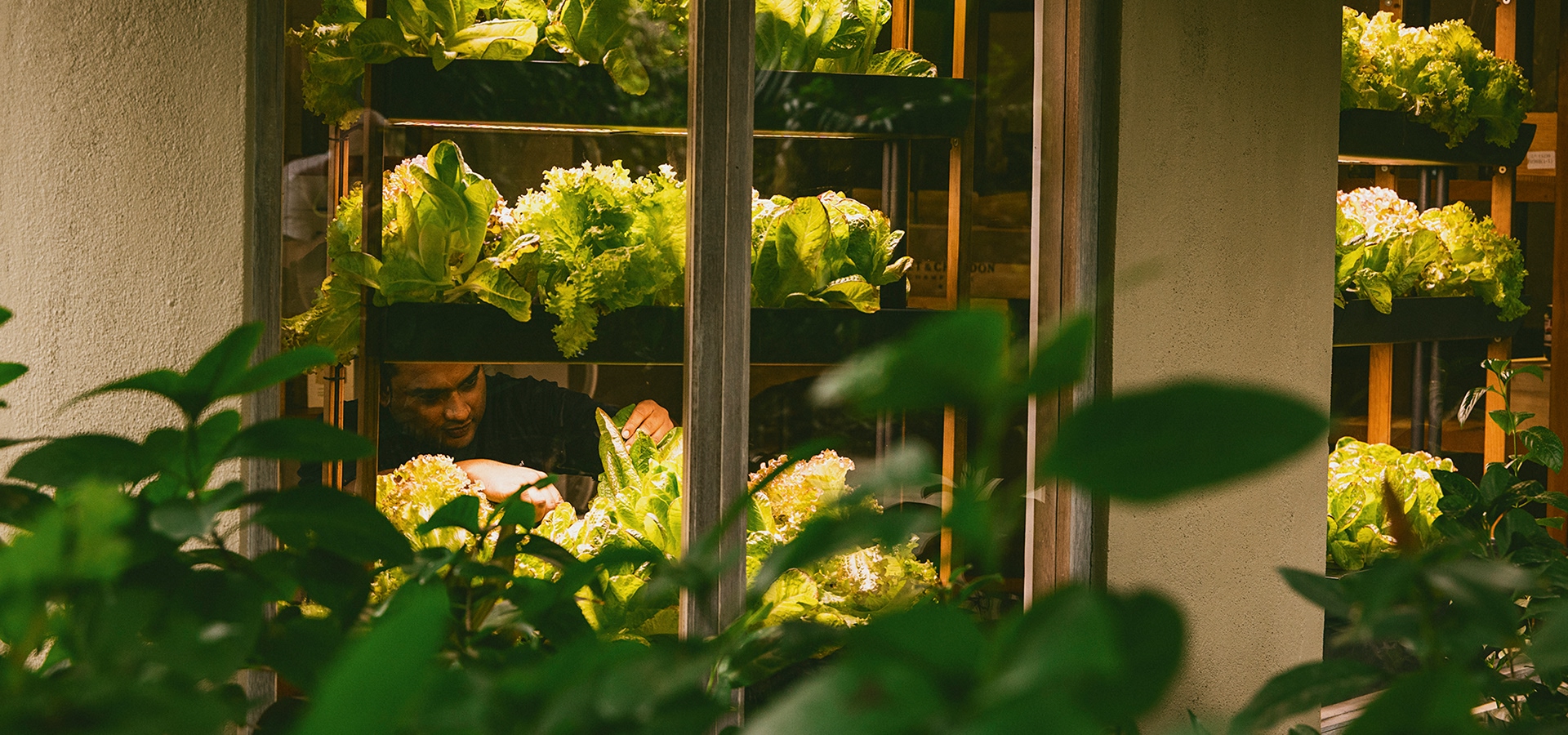
The island: what happens behind the scenes
Environmental protection at Baros extends well beyond the waterline. Much of it is invisible to guests: woven into the fabric of daily operations, from engineering decisions to the products we use.
Water is recycled and purified before being used to irrigate the gardens. LED lighting is standard throughout the resort, reducing both energy consumption and maintenance. All air conditioning units are CFC-free. Guest villas are fitted with a heat exchange system that heats bathing water – the same system, connected to the island’s generators, supplies hot water to staff accommodation and back-of-house areas.
Every cleaning product used across the resort, in kitchens, restaurants, villas, boats and the laundry, is biodegradable. It is a small thing, but when those products enter the water cycle of an island this size, it is not a small thing at all.
We also run awareness programmes that take both guests and staff beyond the boundaries of the resort – to neighbouring villages and uninhabited islands, and into the water – to deepen understanding of the ecological systems we all share.
The reef: why it matters and what we do to protect it
The fragile coral reefs of the Maldives are among the most spectacular in the world – and the house reef at Baros is widely regarded as one of the best in the Maldives for snorkelling, accessible directly from the beach and teeming with life at every depth. But the reef is also the foundation of an entire nation: the basis of its ecology, economy and identity. Its health is not peripheral to what we do at Baros. It is central.
In 1998 and again in 2016, we witnessed what warming sea surface temperatures can do: 90% and 70% of corals in the Maldives were affected in those two events, respectively. The scale of that loss is difficult to overstate. It is what drives the work of our marine team every day.
Our Maldives coral restoration programme uses a method called coral propagation: transplanting living coral fragments to a stable foundation (rock or sand on the seabed) to create nursery areas around the island. When coral breaks, whether from human contact or the bite of a triggerfish, we recover what we can and give it a new base to grow from.
We encourage guests to take part in this work directly through our coral sponsorship experience, attaching fragments to island-made coral tables under the guidance of our resident marine biologist. Sponsors receive updates on their coral’s progress twice yearly for two years. This is reef restoration as a shared endeavour, not something that happens in the background while you look the other way.
Eco dive centre Maldives: certified, committed
Divers Baros Maldives was certified as one of the first eco dive centres in the Maldives in December 2010. The certification reflects a set of commitments that shape every dive we run.
These include participating in Reef Check and the IUCN Maldives Marine Project for Identifying Manta Rays, supporting the Shark Watch programme and offering Project AWARE speciality courses that teach guests about marine ecology and conservation.
Buoyancy is taken seriously: guests are properly weighed before every dive to prevent damage to corals from poor control or trailing equipment. Boats don’t anchor where drift diving is possible to protect the seabed beneath.
The guiding principle is the same whether you’re on your first dive or your 50th: observe, but do not disturb.
Getting involved: the marine centre and what it offers
Open daily from 9 am to 6 pm, Divers Baros Maldives is the natural starting point for anyone who wants to understand what lives in these waters. Our marine biologists are there to tell you everything you need to know about the currents, the tropical fish, the incredible array of corals, how to identify the resident sea turtles and so much more.
Baros is just 25 minutes by speedboat from Malé International Airport – one of the shortest transfers to a house reef of this quality in the Maldives, which means less time travelling and more time in the water.
A marine biologist guides all snorkelling excursions at Baros. For those new to the reef, the house reef tour with fish identification provides the most thorough introduction to marine life and its biology. Groups are kept small deliberately.
For those who want to go deeper, we offer complimentary educational presentations twice a week: 60-minute sessions covering the Maldives’ terrestrial flora and fauna, coral biology, threats to reefs and the species you’re likely to encounter. Questions are welcome.
The twice-weekly nature walk offers something different again: a guided botanical tour of the island itself, led by our biologist and beginning at the Maldivian Lounge. It is a reminder that the lush jungle and native plants above the waterline deserve attention, too.
Our underwater ambassadors
Behind all of this is a team of marine professionals: divemasters, instructors and biologists who bring personal knowledge and genuine passion to every encounter. They are the people who know which manta rays are in residence and can identify them by the unique pattern of spots on their belly. They are the ones who will quietly point out the leaf fish hiding in plain sight or explain why a frogfish looks the way it does.
Their presence is what turns a dive or a snorkel at Baros into a memory that you’ll treasure for a long time.
Eco friendly resorts Maldives: fishing responsibly
Our commitment to the ocean extends to how we approach sport fishing. We recently launched Lines of Respect – an initiative that draws on Maldivian fishing heritage to reframe big game angling as a practice of environmental stewardship rather than conquest.
The initiative places particular emphasis on catch-and-release sport fishing, allowing guests to experience the intensity of big game fishing while ensuring minimal impact on marine ecosystems.
Sustainable practices are already embedded in the fabric of the fishing experiences at Baros: strict adherence to Maldivian fishing regulations, the careful release of undersized fish during excursions, and a crew trained to handle marine life with care and expertise. Lines of Respect builds on this foundation and gives it a name, a framework and a clear philosophy.
Fully Ocean: an annual commitment
This June, all of the above found new expression in Fully Ocean [ADD LINK WHEN LIVE] – our new annual initiative dedicated to the water that surrounds us. Running from 1 to 8 June and aligned with World Reef Awareness Day and World Oceans Day, the week brought guests into the work of marine conservation through hands-on experiences: night snorkelling, coral planting, marine life identification and guided stewardship sessions.
It is the clearest expression yet of something we have believed in since 1973: that conservation is crucial if Baros is to exist for another five decades.
To find out more about our environmental programmes, visit baros.com/environment, or to plan a stay, contact our team at reservations@baros.com.
FAQs: sustainability at Maldives eco-friendly resort Baros
Is Baros Maldives an eco-friendly resort?
Yes – and it has been for a long time before eco-friendly was a selling point. Baros has operated with environmental stewardship at its core since welcoming its first guests in 1973. From biodegradable cleaning products and CFC-free air conditioning to an on-site marine biology team and one of the Maldives’ first certified eco dive centres, the commitment runs through every layer of the resort’s operations.
Can guests take part in coral restoration at Baros?
Yes. Our Maldives coral restoration programme invites guests to get directly involved through the coral sponsorship experience – collecting broken but living coral fragments from the seabed and attaching them to island-made coral tables under the guidance of our resident marine biologist. It is hands-on, meaningful work and sponsors receive updates on their coral’s progress twice yearly for two years.
What is the Divers Baros eco dive centre?
Divers Baros Maldives is one of the first resort eco dive centres in the Maldives, certified in December 2010. It operates according to a strict set of environmental commitments: participating in international reef monitoring programmes, teaching conservation-focused dive practices and ensuring every dive is conducted in a way that protects rather than disturbs the marine environment.
Do you need diving experience to take part in marine activities at Baros?
Not at all. The Baros house reef is one of the top house reefs in the Maldives for beginners: shallow, rich with life and accessible without any prior experience. A marine biologist guides all snorkelling excursions, plus the Divers Baros centre offers complimentary equipment fitting, reef briefings and informal conversations about whatever you’d like to know. Twice-weekly educational presentations and the island nature walk require nothing more than curiosity.
Can you snorkel directly from the villa at Baros?
Yes. The house reef at Baros is accessible directly from the beach, without the need for a boat excursion. Guests can step off the sand and into some of the best snorkelling in the Maldives – sea turtles, reef fish, coral gardens and more – at any time during daylight hours. Complimentary snorkelling equipment is available from Divers Baros.
How does Baros protect its house reef?
Through a combination of active restoration, education and daily practice. Our marine team runs a coral propagation programme to rebuild reef areas damaged by bleaching events, participates in international reef monitoring initiatives such as Reef Check and the IUCN Maldives Marine Project and guides every guest interaction with the reef – snorkelling, diving or otherwise – with care and expertise. The reef is what everything here is built around.
What is Fully Ocean?
Fully Ocean is our new annual initiative, running each June to coincide with World Reef Awareness Day on 1 June and World Oceans Day on 8 June. It brings guests into the work of marine conservation through immersive, hands-on experiences such as coral planting, night snorkelling, marine life identification and guided stewardship sessions. It is our way of making conservation a shared journey rather than something that happens quietly in the background.
All Blogs
Why adult travel hits differently at Baros Maldives
Discover why empty-nest, anniversary and retirement travellers choose Baros for a meaningful grown-up island escape.
read more
Baros Maldives named No. 2 Resort in the World and No. 1 in Asia by Travel + Leisure readers
Baros Maldives has been ranked No. 2 Resort in the World and No. 1 Resort in Asia in the Travel + Leisure World’s Best Awards 2026
read more
Where every meal is made to be remembered: Baros Maldives dining
Food has always been one of the most honest ways to know a place. But in 2026, it has also become one of the most powerful reasons to choose one.
read more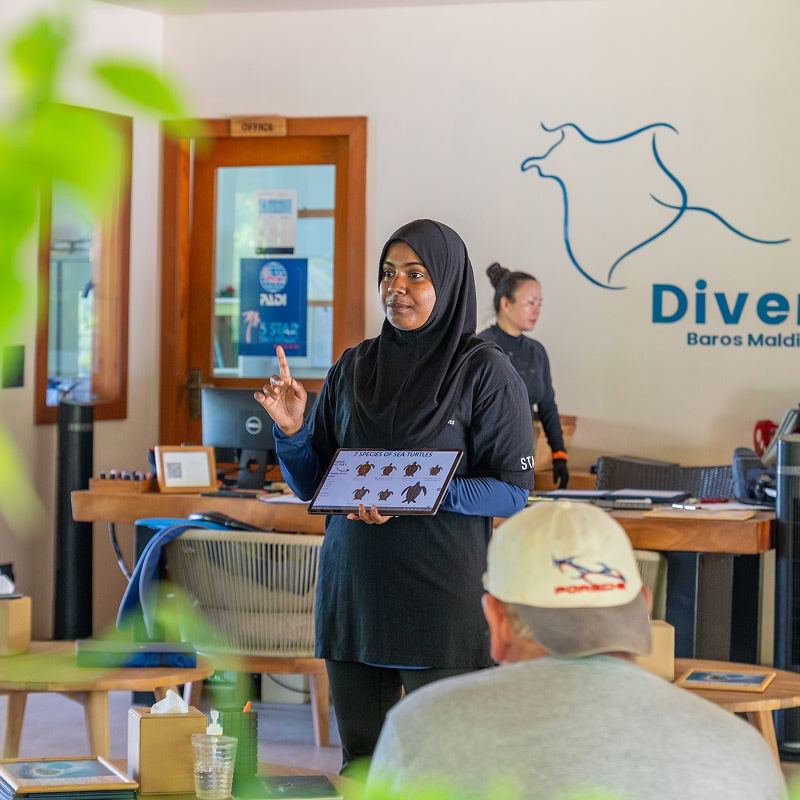
How Baros cares for its island and reef
Not long ago, Baros was an uninhabited wilderness of coconut palms and tropical undergrowth.
read more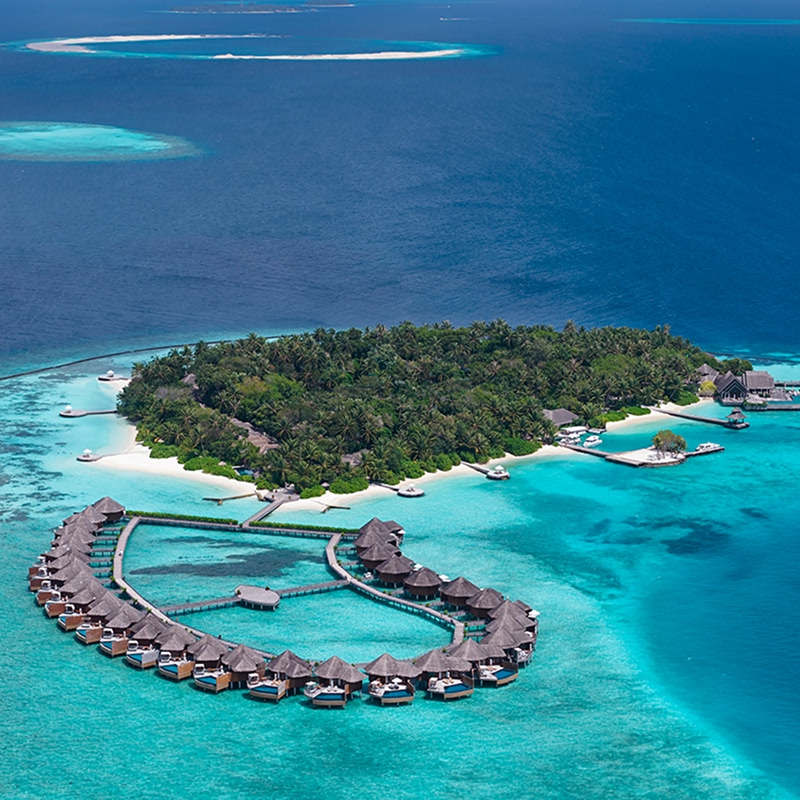
Is Baros Maldives worth it?
In an archipelago that welcomes a constant stream of new openings, the choice of where to spend your time has become a question of trust.
read more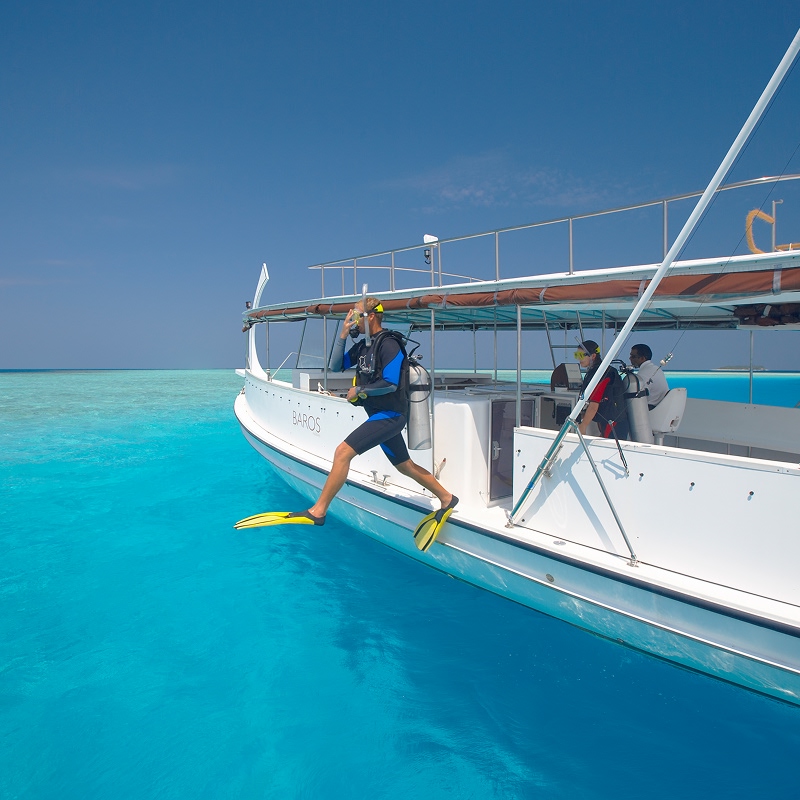
The blue heart of Baros
Imagine yourself suspended in a world of liquid sapphire, the tropical sun warming your back as gentle waves ripple over you.
read more